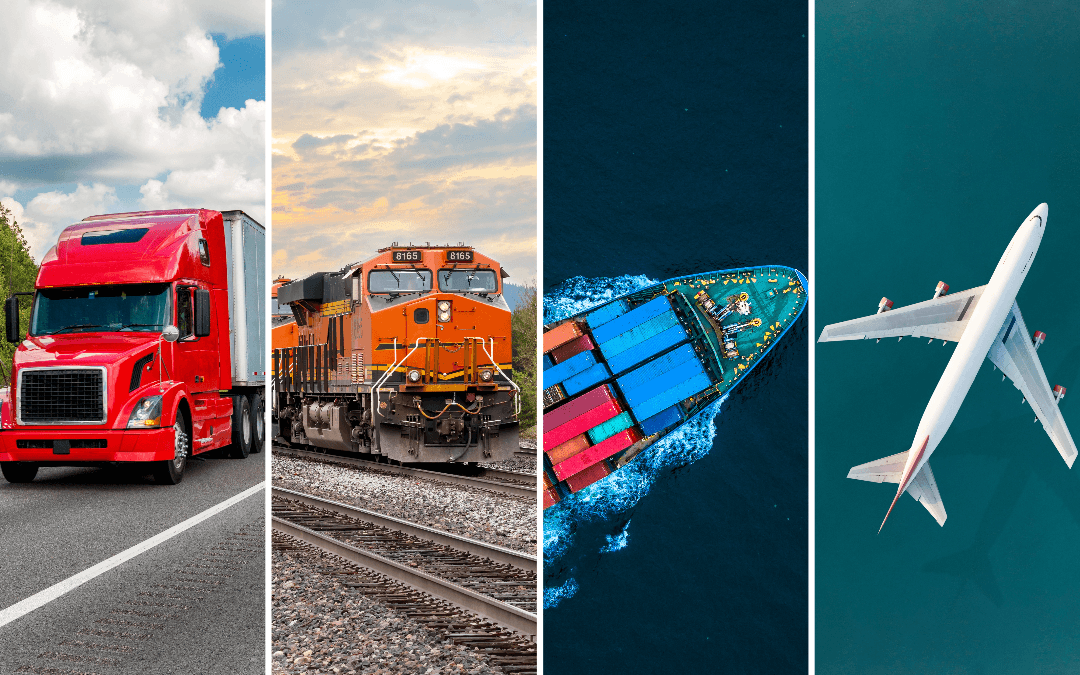
Connecting the Dots in Intermodal Transportation
Intermodal transportation moves goods from point A to point B using two different transportation modes. Goods are shipped in steel containers by either trucks, railroads, ships, or air freight.


Intermodal transportation moves goods from point A to point B using two different transportation modes. Goods are shipped in steel containers by either trucks, railroads, ships, or air freight.
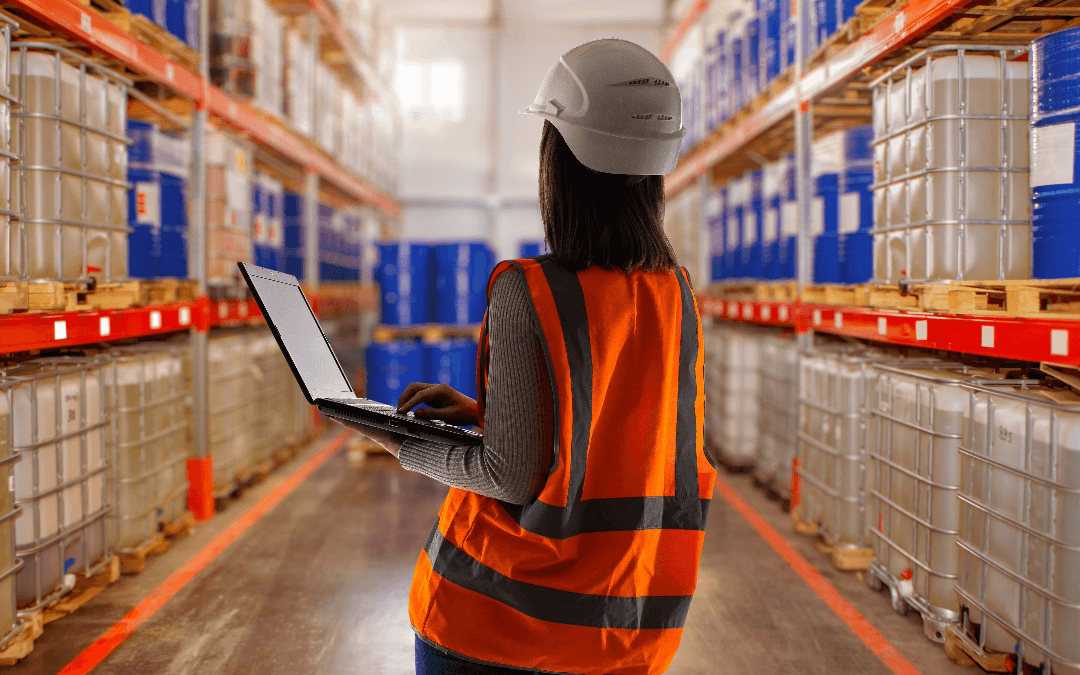
In this blog, we will delve into the hazardous chemicals industry, discussing the equipment needed for handling various types of chemicals, exploring the manufacturing facility density in the United States, and taking a look at the outlook for 2024.
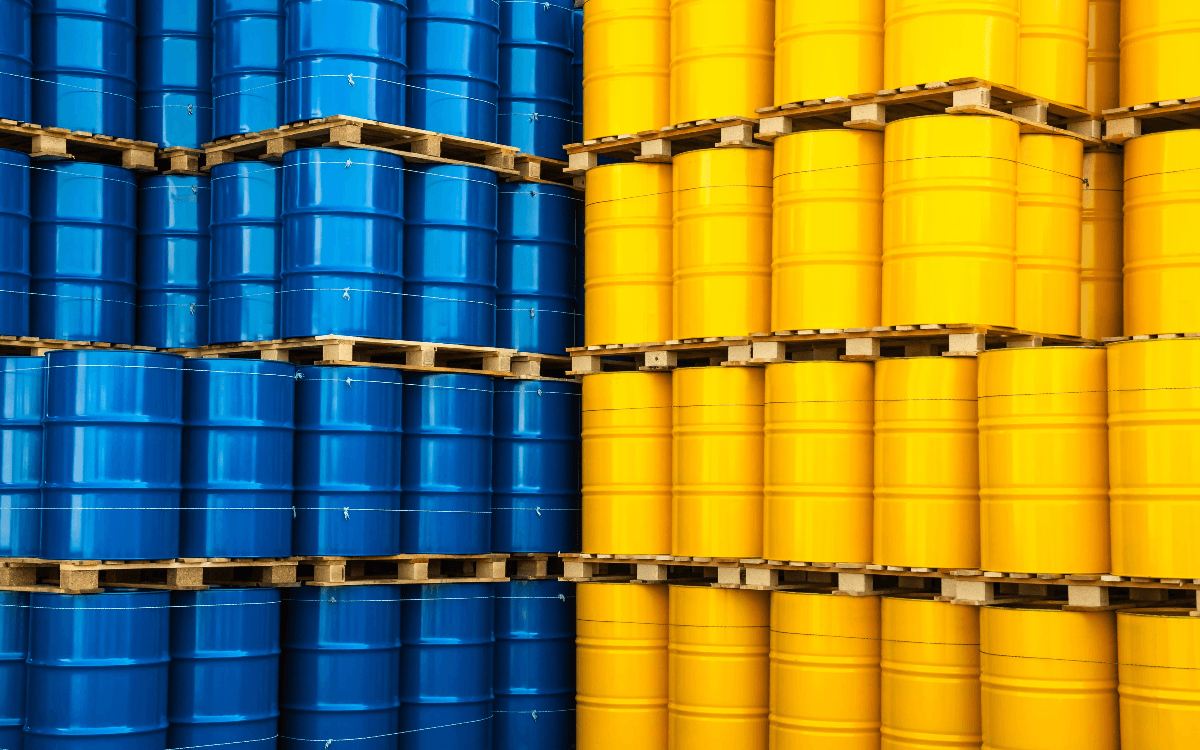
Transporting bulk hazardous oils and lubricants can be complex for businesses. The process involves meticulous planning and execution to ensure these materials’ safe and efficient movement. Key challenges that require addressing include proper storage and handling, specialized equipment requirements, compliance with regulatory standards, and mitigation of inherent risks.

Resins are an incredibly versatile class of materials with applications spanning from construction and electronics to food and beverages. Their mechanical properties and strength make them vital in various industries.
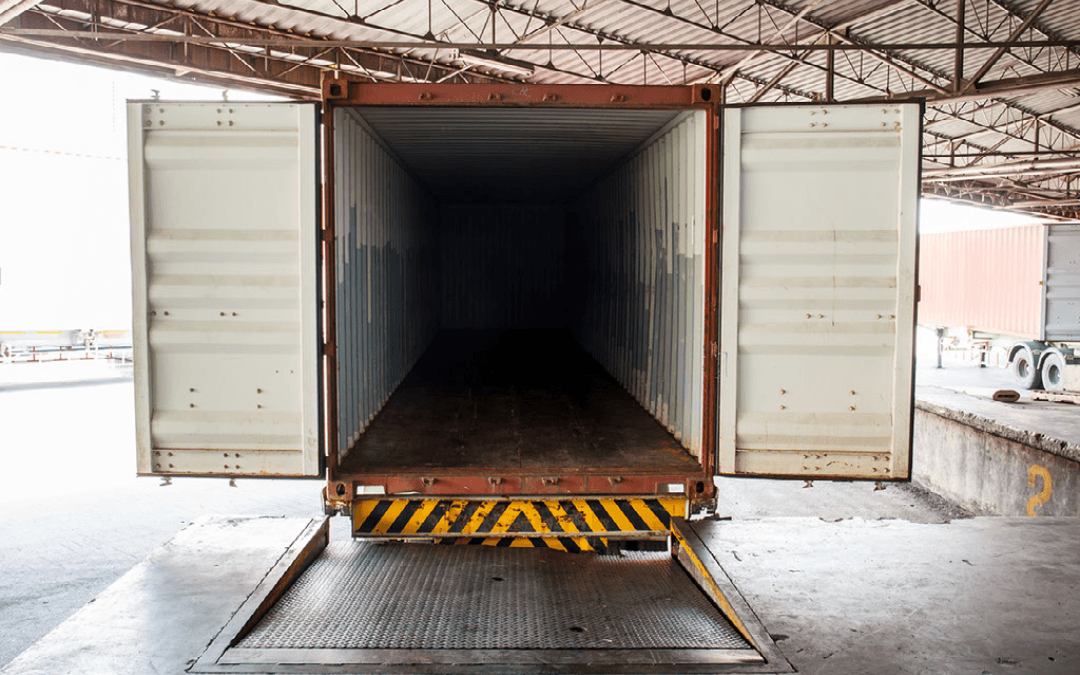
You’re shipping 3,500 pounds of ceramic tiles from North Carolina to Florida and need to decide which transportation mode to use. Are you going to choose LTL or FTL to ensure the freight is handled promptly, safely, and on time?
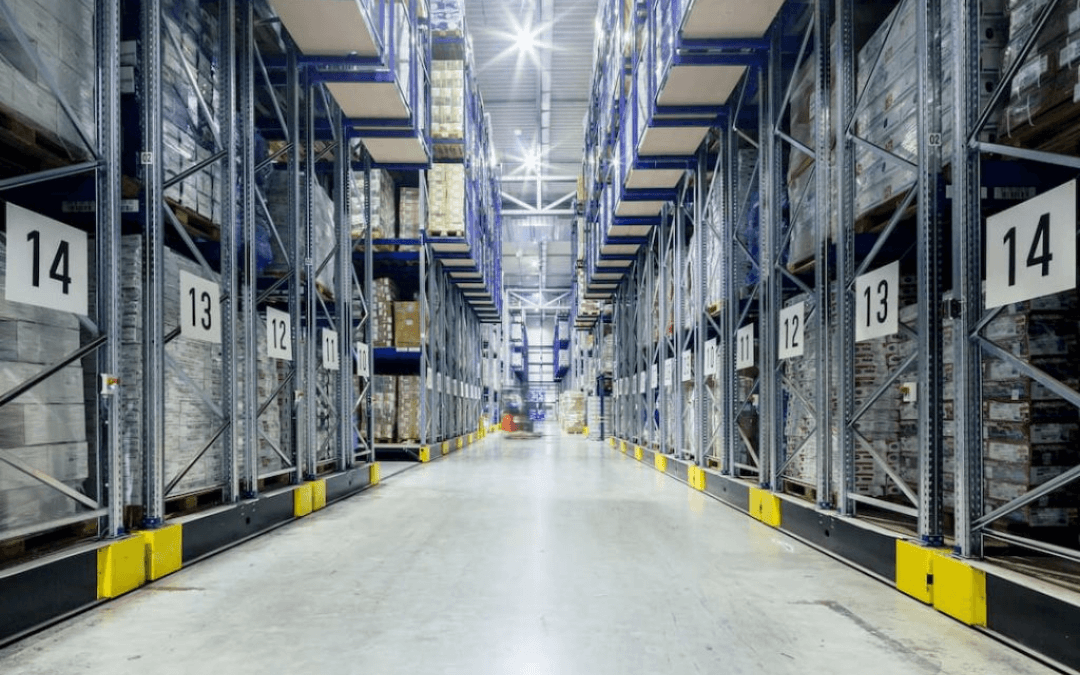
Learn how to navigate the complexities of the cold chain logistics industry by meeting regulatory requirements and managing inventory.
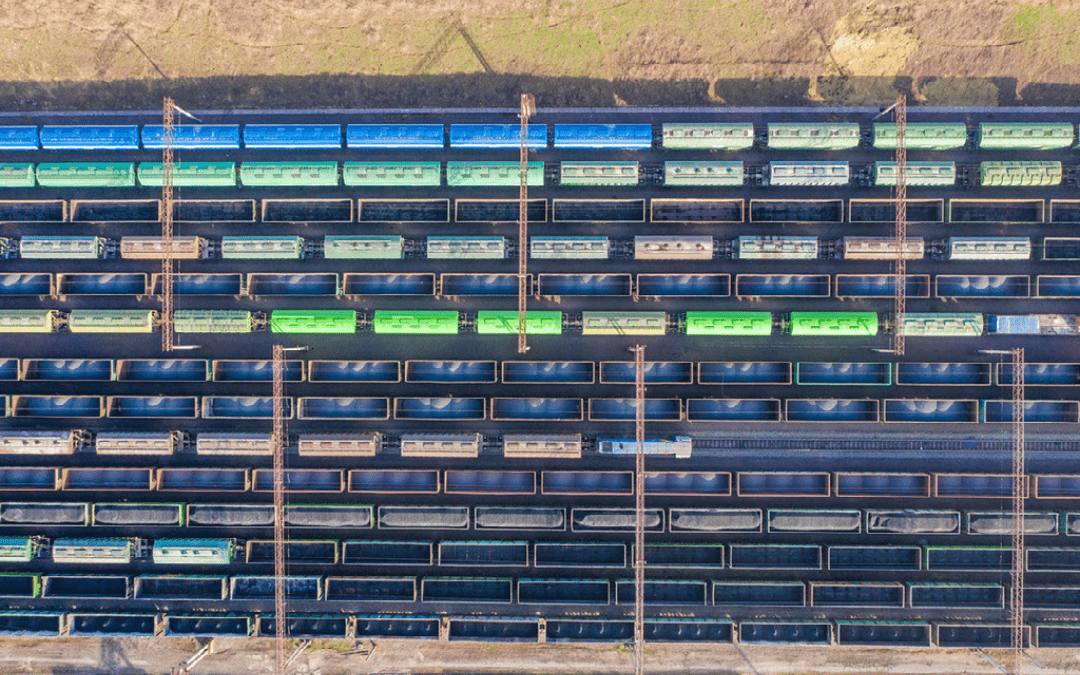
Recognizing the importance of international ports and rails becomes a leading factor in economic growth, smoother trade, and more.
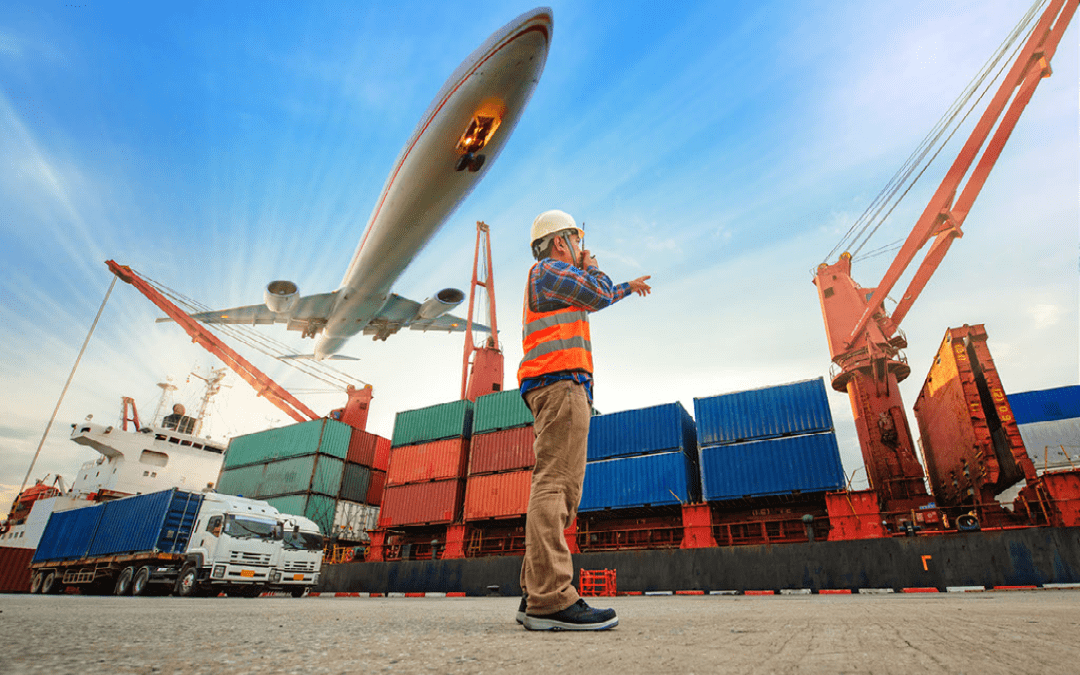
Shipper-carrier relations can seem like a game of tug-of-war, with carriers wanting to push rates up and shippers trying to push rates down. A Freight Broker can utilize best practices to make it a positive experience for both parties.
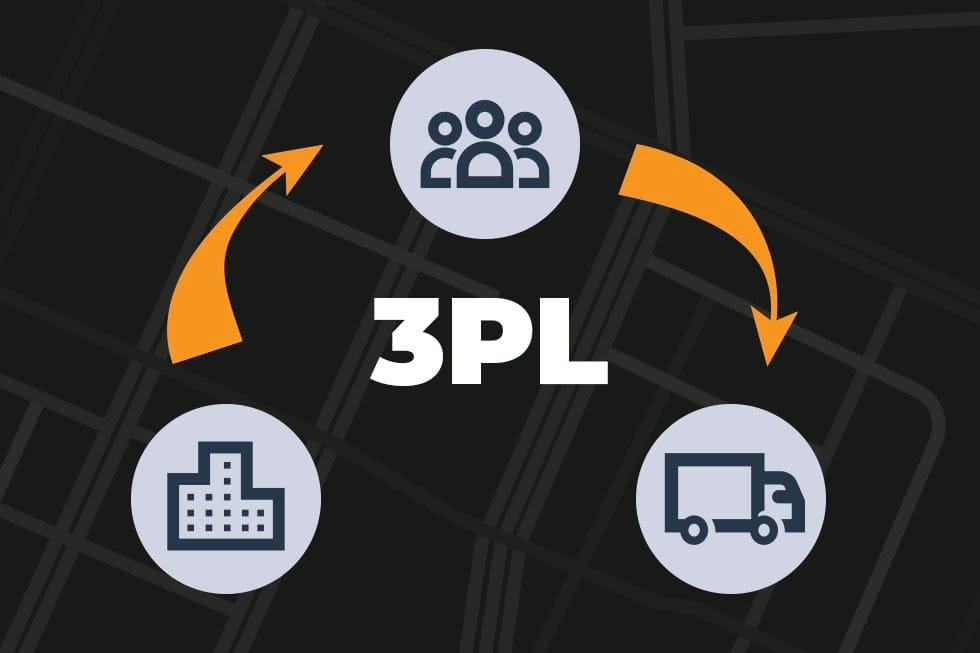
Simply put, 3PL – which stands for “3rd-party logistics” – is a freight shipping model that allows companies to outsource their transport needs to tactical logistics firms. Let’s learn more about “What is 3PL” and how it can benefit you.
As we now fully leave 2022 in the rearview, we can admit that it brought more change to the global supply chain than ever before. To be optimistic, it made countries rethink the way that they do business with each other, and pushed industry professionals to seek better and more sustainable practices.
Supply chain resilience became a top priority for countries around the world. As consumer demand fluctuates, shippers and manufacturers need to be quick to adapt. This can ensure goods make their way to consumers while saving money, time and resources.
As businesses expand, transloading operations can move freight globally. In these scenarios, the most common form of transloading is moving cargo.