

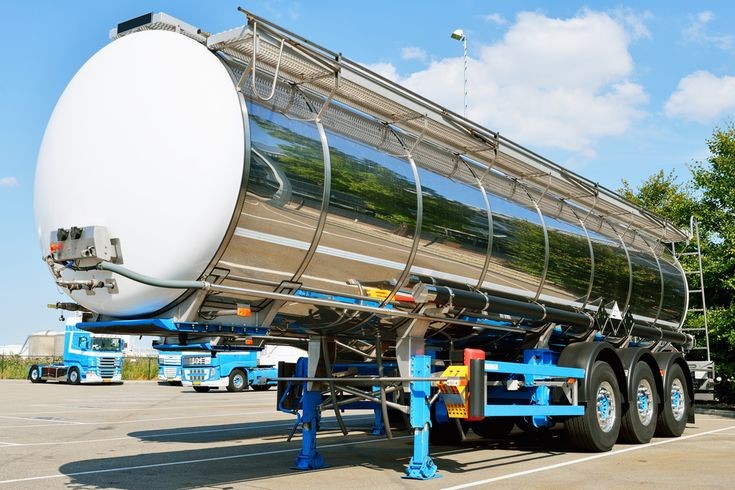
A chemical delivery never travels alone. A production manager may be waiting for the raw materials. There can be a warehouse making space for incoming stock. A customer may be waiting for their order to arrive. And when a chemical shipment falls behind schedule, all those plans start to fall apart. That is why chemical transportation is more than just a truck and delivery address.
The material inside the shipment decides how it should be packed, carried, handled, and received. Get those details right, and businesses have a clearer path from dispatch to delivery.
First, Understand What Is Being Shipped
Even before the discussion begins regarding trailers and pickup dates, there is the matter of determining exactly what will be loaded onto the truck. The name of a chemical is important; however, it does not say it all. Physical state, packaging, quantity, and handling requirements are all factors that influence the transport process.
At the outset, some of the information provided by a business shipping its material includes the following:
- The material –The correct shipping name, quantity, physical state, and hazardous classification.
- The packaging – Drum, tote, cylinder, bulk tanks, etc.
- Handling requirements – Temperature limitations, compatibility, etc.
- The destination – Site access, receiving hours, etc.
And why is that important? A bulk liquid may require a compatible tank trailer, while packaged chemicals may require an entirely different vehicle and equipment, depending on various factors. Weight is not the only factor that determines the delivery vehicle.
For regulated hazardous materials, the federal hazardous materials regulations set out requirements covering classification, packaging, documentation, and transportation. Getting the cargo information right at the beginning helps everyone understand the job before a truck is scheduled.
What Happens Before the Truck Leaves?
This is the part where the details start to matter and come together. The shipper knows what needs to be moved, and the transportation team figures out how. Three conversations can make a real difference:
- The equipment conversation: Does the vehicle suit the chemical, its packaging, and its handling requirements? Is the carrier qualified for the shipment? These questions need to be answered before pickup, not when the truck is waiting at the loading dock.
- The paperwork conversation: Who will prepare the required shipping documents? Do the cargo descriptions and labels match the material? For regulated shipments, missing or incorrect information can delay dispatch and complicate inspections.
- The delivery conversation: Can the receiving facility accept the load when it arrives? Is the unloading area ready? Does the driver have the correct delivery instructions and contact details?
For businesses arranging hazmat trucking in Chattanooga, these decisions also involve applicable route restrictions and hazardous-material transportation requirements. The federal highway transportation regulations explain responsibilities for hazardous materials carried by road.
The small details matter here. A truck can be ready, the cargo can be loaded, and the route can be planned, yet a missed delivery appointment can still leave the shipment waiting outside the facility.
What Should Businesses Look for in a Transport Partner?
A quote only tells you about the cost of transportation and does not indicate how the load will be handled. Before booking, ask practical questions:
- Does the carrier have the equipment and qualifications required for this particular chemical?
- Who checks the shipment information and applicable documentation?
- How will the pickup and receiving arrangements be coordinated?
- Who provides updates if the shipment is delayed?
When comparing providers, businesses seeking the safest chemical transportation company should consider more than just the name and cost. Factors like relevant experience, suitable equipment, clear responsibilities, and cargo-specific planning; all important.
It is also important to clarify who is handling the respective task. The shipper, carrier, and receiver each have distinct responsibilities and duties. When everything is handled before the pickup, the shipment moves without any confusion or problems.
Conclusion
Chemical shipping really comes down to doing the little things right for the specific chemical being shipped and the business that needs it. Having the right equipment, the right documents, and a receiving facility prepared for the delivery will certainly make your challenging shipment easier to manage in the supply chain.
KCH Transportation, a company that specializes in transporting chemicals, has tailored its services to the specific requirements of each shipment.
Because behind every chemical delivery is a business counting on what arrives next.