
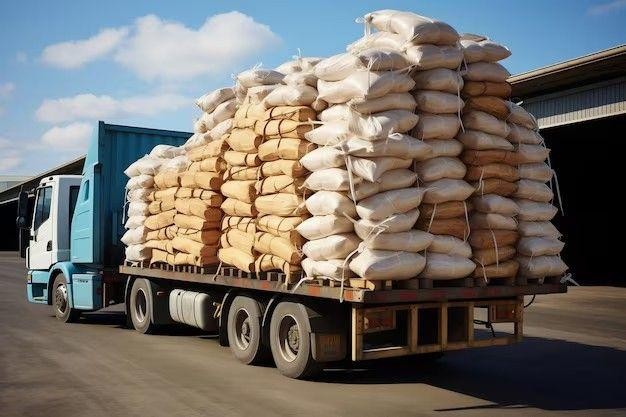
For farmers, crops matter most, and getting them to market involves several steps. But hey, after harvest, the process doesn’t stop. Instead, it starts there. After farmers collect their grain, they move it to places where it can be stored, processed, or sold. This is where grain transportation logistics comes in.
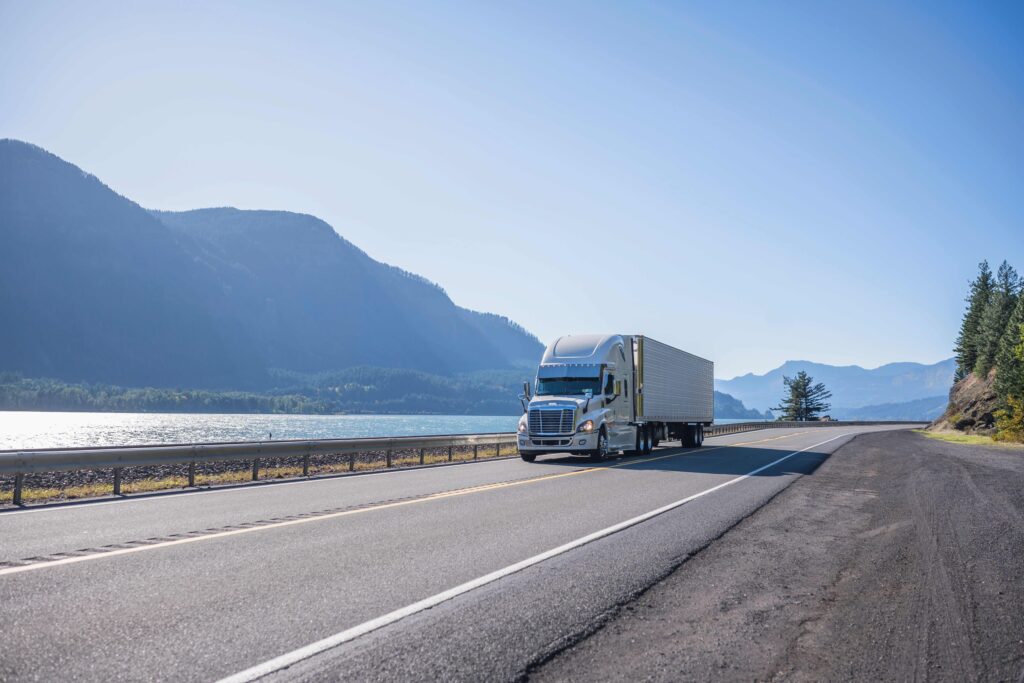
Transporting grain is not just loading it into a truck and sending it. From loading to unloading, there’s a lot more. You need to check updates, space, and sizes. Weather can also cause delays.
Where Does Grain Go After Leaving the Field?
After harvest, grain can go to different places. Some farmers take it directly to a nearby grain elevator. Others keep it on their farms until a buyer or factory is ready to take it. Grain elevators collect grain from many farms, store it, and get it ready for the next trip. From there, the grain may go to:
- Feed mills: These facilities use crops such as corn and soybeans to make animal feed.
- Food factories: These places use wheat, corn, and other grains to make food products.
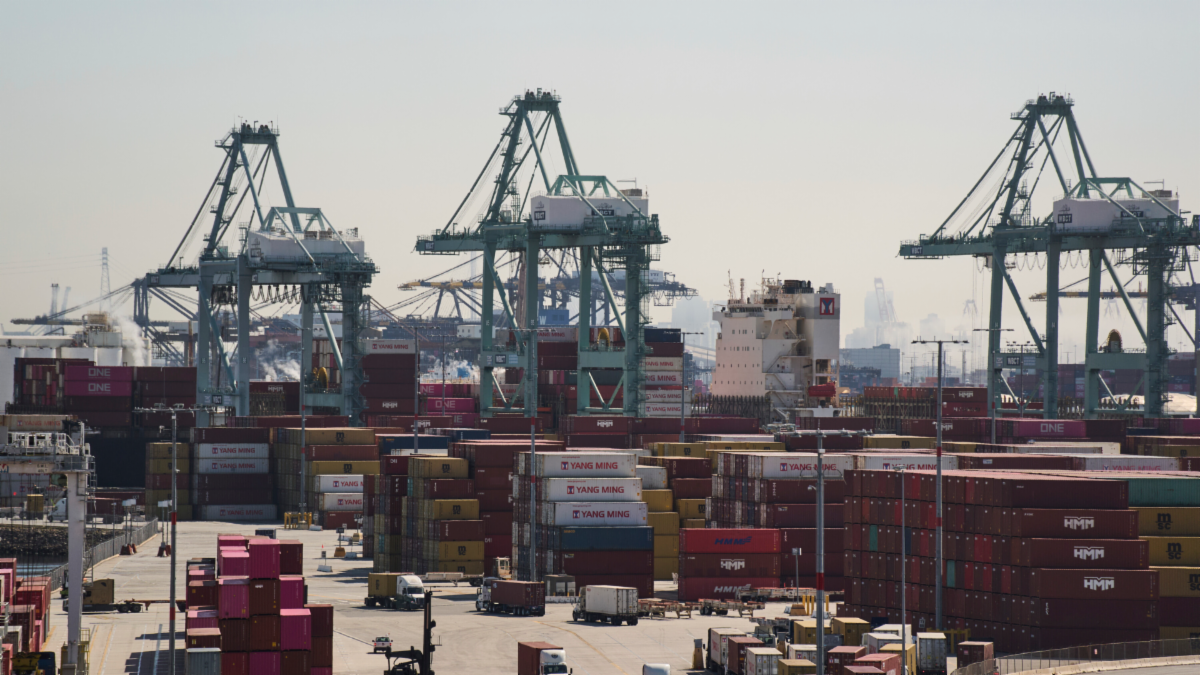
- Export terminals: Grain is collected here before being shipped to other countries.
- Storage sites: Grain stays here until it is ready to move or sell.
Every facility has its own delivery schedule and storage space. If a truck arrives too early, it may have to wait. If the storage area is full, the grain may need to be taken to another location. Planning deliveries ahead of time helps prevent these delays. A farm equipment shipping company may or may not offer you grain transportation services. Asking ahead about that is a smart move.
Why Is Transportation Harder During Harvest Season?
During harvest season, many farms need trucks to move their grain at the same time. Grain elevators and processing facilities also receive more grain than usual. As a result, finding an available truck and scheduling delivery times can become difficult.
Grain transportation may face a few common problems:
- Bad weather: Rain, snow, and poor road conditions can slow down trucks and delay loading.
- Full storage sites: Some places may not have enough space to store more grain.
- Long distances: Moving grain to faraway places takes more time and planning.
- Changes in orders: Buyers may change how much grain they need or ask for a different delivery date.
Clear communication helps everyone deal with these problems. Farmers, trucking companies, shippers, and receiving facilities should keep each other updated about delivery times and delays. Even one late delivery can affect the next step.
When choosing the best agricultural transportation company, businesses should look beyond how many trucks it can provide. Look for their vehicle variety.
Keep Grain Moving After Harvest
Before planning a shipment, farmers and businesses should know details like grain type, destination, required equipment, and required arrival time. Also, have a backup plan for disruptions caused by weather, space, site conditions, or other factors.
With experience in agricultural freight and bulk shipping, KCH Transportation helps farmers move agricultural products safely and efficiently. Good planning helps keep grain moving from the farm to its next destination, even after the busy harvest season.