
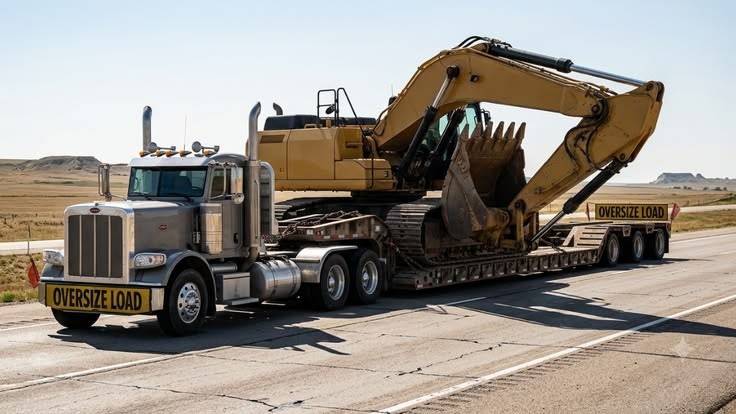
As a manufacturer or industrialist, you may have faced several situations and challenges. Has your production line been ready, but your new machine is still miles away? Your construction project is at the next step, but the required excavator isn’t there yet. In those situations, the challenge isn’t just the big load; oversized equipment transport requires a plan that accounts for the equipment, the road, the people handling it, and the business waiting for it to arrive.
Oversized transport is unforgiving: one small mistake can cost far more than you need to spend. And that can ruin your overall equation.
Why Does Size Change Everything?
Transporting large equipment is no piece of cake; it challenges every step of the process. Factors like trailer dimensions, weight limits, and shipping methods come into play. And yes, the machine’s shape also matters. A tall generator, a wide industrial press, and a long excavator each require a different approach. Some of the biggest considerations include:
Before moving heavy equipment, businesses need to check a few things to ensure the machine can move without trouble.
- Size: First, check the machine’s height, width, and length. This helps you choose a trailer that can carry it and whether it can pass through roads along the way.
- Weight: Every truck and trailer has a weight limit. The machine must stay within that limit to be carried safely.
- Loading: Some machines are too large or heavy to load by hand. They may need cranes, ramps, or other equipment to get onto the trailer.
- Protection: Tie down any parts that can move or stick out. This helps stop them from falling, coming loose, or being damaged during the trip.
- Delivery space: The delivery site should have enough room for the truck to enter, unload the machine, and leave without difficulty.
Checking these things before the truck leaves makes the job easier. It also helps prevent delays, damage, and last-minute problems.
The Road Can Be Just as Challenging
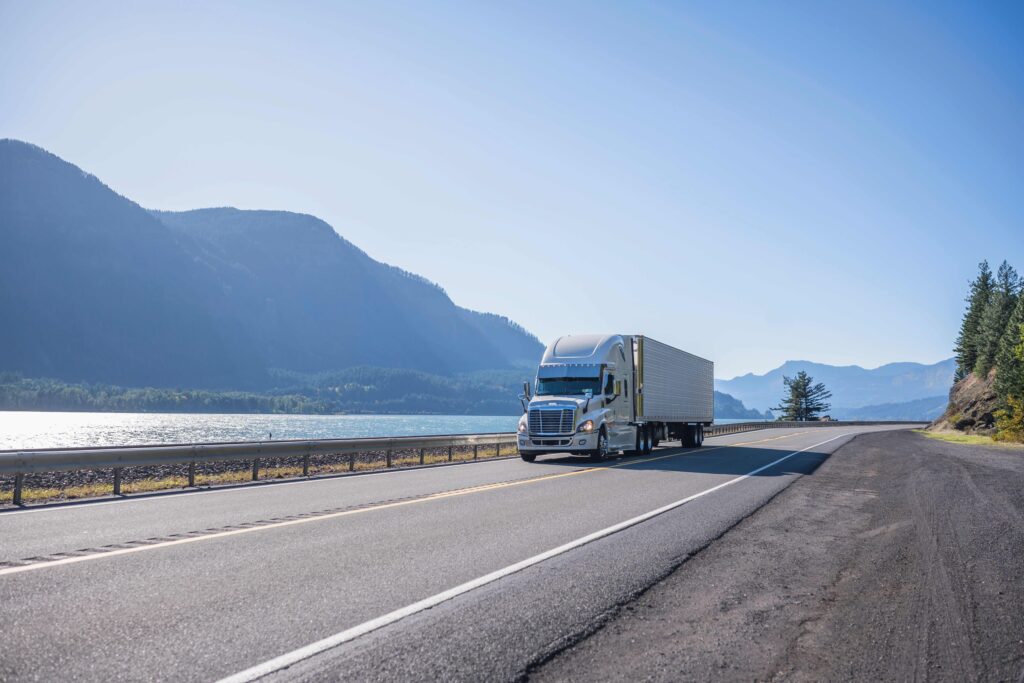
Not every road can handle large trucks. Low bridges, narrow roads, sharp turns, and weight limits can make travel difficult. Road closures can also force a route change.
Good construction equipment transportation services include route checks before the journey. The team must know the machine’s size, choose the right trailer, and check whether the delivery site has enough space.
Why Is Good Communication Important?
During industrial machinery transportation, everyone needs to stay informed. Drivers, carriers, and receiving teams should know when the machine will be picked up and delivered.
If the truck is delayed or the route changes, the team should receive an update. This helps them adjust their plans and prepare for delivery.
Good transportation planning also includes choosing the right carrier, tracking the shipment, checking the route, and arranging permits when needed.
Be Aware and Make the Route Easy
Moving large machines takes more than a suitable truck. Businesses must plan the route, arrange proper loading, and prepare the delivery site before the journey begins.
For businesses that need help moving large or heavy loads, KCH Transportation offers oversize and heavy-haul transportation support. Its team works with manufacturers and business owners to arrange transportation for loads of different sizes. Whether you need an excavator for your site or heavy machinery to produce your goods, just fill out our contact form, and we’ll get back to you!