

A missing shipment of steel, a delayed pallet of components, or a late truck can disrupt the entire production process. Manufacturing relies on a steady flow of materials, running machines, ongoing processes, and reliable transportation. Transportation is more than delivery and pickup, so manufacturing supply chain solutions need a fresh look.
Manufacturers now need freight arrangements that match the entire production schedule, shipment sizes, equipment needs, and customer demands.
Is Your Freight Strategy Keeping Production Moving?
Each movement requires a different transportation approach. Different deliveries require different transportation approaches. Using the same approach for every transaction can create many complications. Here’s what it should look like:
- Raw material deliveries: Coordinate bulk shipments with inventory and production requirements.
- Component transportation: Schedule deliveries to support assembly and manufacturing activities.
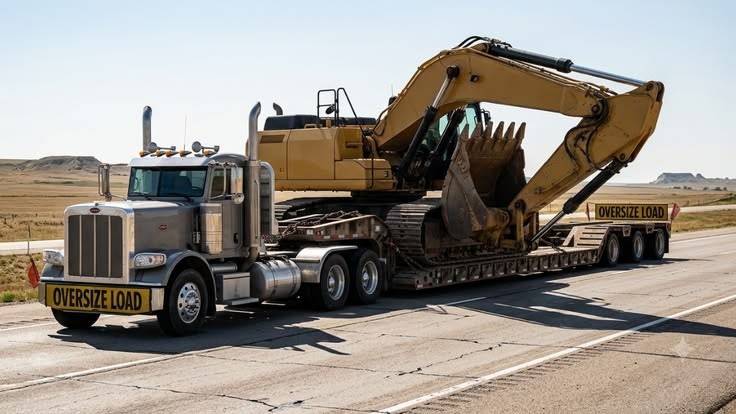
- Machinery movement: Choose equipment suited to heavy or oversized industrial loads.
- Finished goods distribution: Plan shipments around customer orders and delivery commitments.
- Urgent freight: Arrange expedited transportation when production or delivery schedules demand faster movement.
These decisions help manufacturers connect transportation planning with the actual rhythm of their operations.
What Makes Industrial Freight More Challenging?
Manufacturing freight comes in different shapes, sizes, and quantities. A shipment of packaged components requires a different arrangement from a large industrial machine or a full truckload of raw materials.
An experienced industrial transportation company can help businesses coordinate these varying requirements with the right freight services. Depending on the shipment, manufacturers may need:
- Full truckload transportation for large freight volumes.
- Less-than-truckload services for smaller shipments.
- Flatbed transportation for suitable machinery and industrial materials.
- Expedited freight for time-sensitive deliveries.
- Intermodal transportation for shipments that benefit from truck and rail combinations.
Beyond transportation equipment, businesses also need proper carrier selection, shipment updates, and responsive communication. These details help purchasing and warehouse teams prepare for incoming freight instead of constantly reacting to unexpected changes.
Can Better Freight Coordination Strengthen Manufacturing Operations?
Manufacturing operations extend beyond the factory floor. Suppliers, warehouses, distribution centers, and customers all depend on on-time shipments.
As a manufacturing supply chain expands, coordinating these movements becomes increasingly important. Businesses should look for transportation partners that offer flexible freight options, carrier vetting, dedicated account support, and shipment visibility.
For example, when a supplier changes a pickup schedule, the transportation team should communicate the update promptly. When a manufacturer needs to move oversized equipment, the provider should consider the freight dimensions, suitable trailer, and route requirements before arranging the shipment.
These practical details make transportation easier to manage and help businesses avoid preventable disruptions.
New Vision for Better Logistics
Manufacturing success is not just about having the most production capacity; it is also about getting materials into facilities and output to their destinations without extra steps or unnecessary complications.
With domestic freight services, carrier coordination, shipment visibility, and dedicated account support, KCH Transportation has helped multiple businesses manage their transportation needs. A fresh perspective on freight planning gives manufacturers better control over shipments and more time to focus on building, producing, and growing their business.