

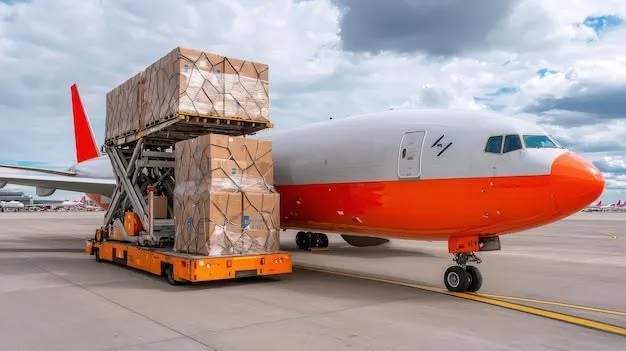
A delayed shipment does more than just arrive late. It can leave a production line waiting for a missing component, postpone a product launch, or make customers angry and dissatisfied. If your business is also suffering from late product arrivals, air freight companies offer a way to move critical cargo when the usual shipping timeline no longer works.
But faster shipping isn’t automatically smarter shipping. Air freight costs more, and not every shipment needs that level of urgency. The decision comes down to one question: What will another day of waiting cost your business?
When Does Waiting Cost More Than Flying?
The price of transportation is just one part of the equation. A shipment delayed by several days may incur expenses that do not appear on the freight invoice. Let’s say a manufacturer is waiting for seasonal stock and may lose all the sales opportunities every day while products remain in transit.
Air freight deserves consideration when:
- Production is on the line: A missing part, tool, or machine component is holding up scheduled work.
- The launch date is near: Products, samples, or promotional materials need to arrive before the planned release.
- A waiting customer: An urgent order or replacement shipment could affect an important business commitment.
- A narrow sales window is closing: Inventory arriving after peak demand may lose much of its commercial value.
The motive is not to send everything quickly, but to determine when the cost of delay exceeds the additional transportation cost. An affordable-looking quote can cost you and your business too much. Make sure that your air freight services match your business needs.
What Should You Check Before Shipping?
Flight times are short, but the shipment still has to reach the airport, clear customs, and navigate the lengthy process of handling and travel to its final destination. This means the advertised time is not the total time for your business transaction, and you should not expect your products within that timeframe.
Before confirming a booking, clarify the following factors:
- The actual delivery window: Ask for the complete timeline (the expected door-to-door timeline, including collection, airport processing, and final delivery.
- Cargo requirements: Check dimensions, weight, packaging, and any special handling needs that may affect shipping arrangements.
- Delivery arrangements: Get all the information on the people involved. Confirm who will coordinate the shipment at each stage, how tracking updates will be shared, and what will happen if the schedule changes.
- Total shipping cost: Compare the total transportation expense with the financial and operational consequences of a delay.
For international shipments, discuss customs documentation and clearance arrangements before the cargo moves. A missed document or an unresolved requirement can hold up freight even when the flight itself runs on schedule.
Make the Deadline Worth the Cost
One very important goal of air freight shipping is to help businesses act when their shipping schedule does not satisfy a particular need.
Everything becomes much clearer once you know what is involved, what cargo should be shipped urgently, and how soon it should arrive. Sometimes, even air-shipping a small amount of cargo can ensure that a large business deal is completed successfully. In other cases, the ordinary schedule is fully sufficient.
As a trusted logistics transportation company, KCH Transportation helps businesses organize freight transportation based on their cargo, deadlines, and other transportation needs. And when something cannot wait, the key thing is to know what should go first and how it can be done from the business point of view.